Dreaming Embroidery
A Warm, Handwritten Feel for Real Projects
As a designer who spends a lot of time evaluating embroidery files for real-world use, I always look for a balance between visual appeal and practicality. Dreaming Embroidery delivers on both fronts with its charming, handwritten aesthetic that feels both inviting and professional. The design carries a sense of warmth and personality that can elevate a simple handmade product into something truly special.
The First Impression: A Handcrafted Mood
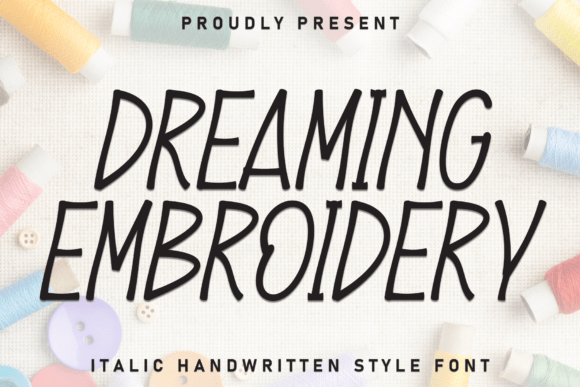
At first glance, Dreaming Embroidery feels like it was created by hand—each letter has a unique stroke, and the overall layout exudes a nostalgic, artisanal vibe. It’s not overly stylized or too rigid, which makes it versatile for a range of applications. The design leans into a soft, flowing script that mimics the natural curves of handwriting, making it feel personal and heartfelt.
This kind of font is ideal for projects where you want to convey emotion or create a sense of intimacy. Whether it's a custom embroidered tote bag or a personalized gift, Dreaming Embroidery adds a touch of character that stands out in a sea of generic designs.
Real-Life Use Case: Custom Tote Bag Design
Let me walk you through a scenario I recently considered: designing a custom tote bag for a small craft business. I imagined using Dreaming Embroidery to add a playful, hand-lettered tag at the bottom of the bag. The font would read something like “Dream Big” or “Make Memories.”
The soft, flowing nature of the design would complement the casual, eco-friendly aesthetic of the tote. But I also thought about how it would translate into actual stitching. Would the lines be clear enough? Would the stitch density be appropriate for a larger hoop size?
I found myself thinking about how the design might look on different fabrics. On a light-colored cotton canvas, the embroidery would pop, but on a darker fabric, I’d need to consider thread color contrast. This is one of the key considerations when working with any embroidery file—how it performs on different materials.
Practical Considerations for Embroidery Designers
When evaluating an embroidery file like Dreaming Embroidery, there are several practical factors to keep in mind. First, test the design on scrap fabric before committing to a full project. This helps catch any issues with stitch clarity or density early on.
Dreaming Embroidery is best suited for medium to large hoop sizes, as the detailed strokes and flowing lines require more space to stitch clearly. If you're working with smaller hoops, you may encounter issues with legibility or stitch overlap, especially in dense areas.
Another thing to consider is fabric texture. Dreaming Embroidery works well on smooth, flat surfaces like cotton or linen, but may not perform as well on textured or stretchy fabrics. For example, if you’re planning to use it on a baby onesie or a stretchy sweatshirt, you’ll need to ensure the design remains clear and doesn’t distort during stitching.
Thread color contrast is also crucial. A light-colored design on a dark fabric may not be visible unless you use a contrasting thread. Testing the design in black and white mockups can help identify potential visibility issues before finalizing your choice.
Where to Use Dreaming Embroidery with Care
While Dreaming Embroidery is versatile, there are certain situations where it should be used with caution. For instance, it’s not ideal for small hoop sizes or intricate details that require high stitch density. The flowing script can become cluttered in tight spaces, leading to a less polished result.
Similarly, using Dreaming Embroidery on curved surfaces like caps or hats can be tricky. The design may not align perfectly with the curvature, leading to a less refined appearance. In such cases, it’s better to opt for simpler, more structured fonts.
Also, consider the frequency of washing. If the design will be used on items like tea towels or baby clothes, you’ll want to ensure that the embroidery holds up over time. Proper stabilizer use and careful stitching can help maintain the integrity of the design.
Design Impact: Visual Appeal and Brand Consistency
One of the most important aspects of any embroidery design is its ability to enhance the visual appeal of the finished product. Dreaming Embroidery does this exceptionally well, adding a touch of personality that can make a handmade item stand out in a crowded market.
For Etsy sellers and small shop owners, consistency in branding is key. Using Dreaming Embroidery across multiple products can help create a cohesive brand identity. However, it’s essential to ensure that the design works well with other elements of your brand, such as color schemes and overall style.
From a customer perspective, the emotional impact of Dreaming Embroidery can be powerful. A personalized gift with this design can feel more meaningful and memorable, increasing buyer engagement and satisfaction.
Final Thoughts and Designer Notes
If you're considering using Dreaming Embroidery for your next project, take the time to review it thoroughly. Test it on scrap fabric, check thread color contrast, and confirm hoop size compatibility. Always use proper stabilizer to prevent puckering or distortion.
Remember, the goal is to create a finished product that looks great and lasts long. Dreaming Embroidery is a great choice for handmade products, personalized gifts, and custom apparel, but it requires attention to detail and practical preparation.
Whether you're an Etsy seller, a small business owner, or a hobbyist, Dreaming Embroidery has the potential to elevate your work. Just make sure you're ready to put in the effort to get the best results.